How to Avoid Tourist Trap Restaurants in Italy (And Actually Eat Well)
Italy has some of the best food in the world, no argument there. But it also has a surprising number of restaurants that look incredible and end up being… aggressively mediocre.
You know the ones. You’re sitting in a beautiful piazza. The tables are cute. The waiter is wearing a tie and smiling a little too hard. Then your food arrives and somehow costs €22 while tasting like it came out of a microwave.
If you’ve traveled to Italy before, you’ve probably fallen into this trap at least once. The good news is that avoiding bad restaurants in Italy is absolutely possible, and once you know what to look for, it works in any Italian city.
Below are the biggest red flags to avoid, the green flags to look for, and a few smart ways to research restaurants like a local.
Short on time? Here are the key takeaways:
- Skip restaurants with photo menus, aggressive hosts, or menus in multiple languages beyond Italian and English
- Walk a few blocks away from major attractions to find better food and more local spots
- Look for seasonal, locally focused menus and places that close between lunch and dinner
- Handwritten or chalkboard menus usually signal fresher food and frequent menu changes
- Use Google reviews filtered in Italian and ask locals like baristas or tour guides for recommendations
Boozing Abroad contains affiliate links throughout the site. If you choose to purchase items through these links, we will earn a small commission at NO extra cost to you. Read the full disclosure policy here**
Restaurant Red Flags in Italy (What to Avoid)
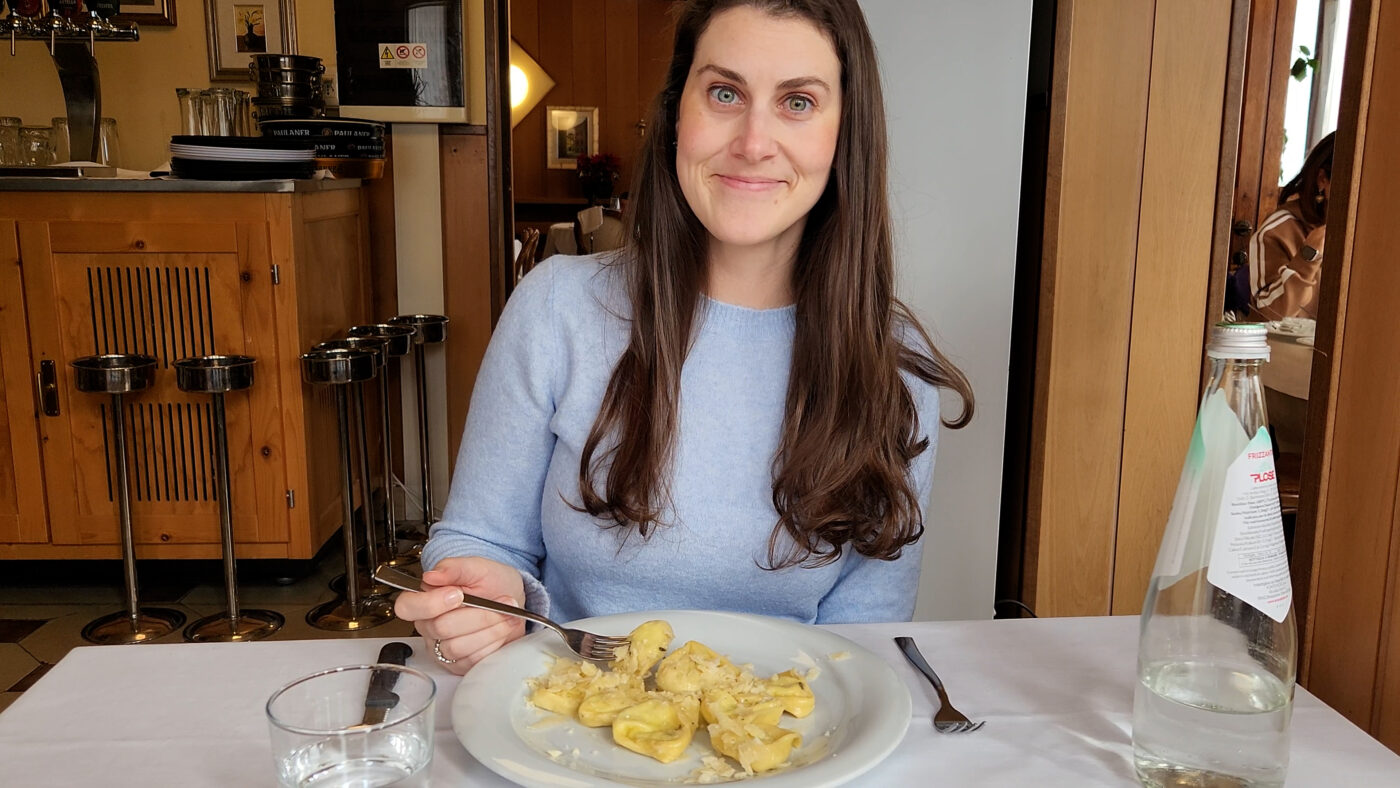
If you spot one of these, do yourself a favor and keep walking.
Menus with Photos
Traditional Italian restaurants do not put pictures of their food on the menu. If a restaurant relies on photos to sell its dishes, it’s usually because the food can’t speak for itself. If you see glossy photos of every dish, that’s a strong sign the food is designed for tourists, not locals.
Traditional Italian cooking is rooted in simplicity and seasonal ingredients. In most cases, these photo-heavy menus signal mass production, frozen ingredients, and minimal care in the kitchen.
To be clear, this is for a sit-down establishment. Street food spots might have pictures since they might stray from tradition. It isn’t full-proof, but if they are showing pictures of well-known pasta, run!
Menus in Too Many Languages
Italian and English together on a menu is normal in tourist-heavy cities.
But once you see four, five, or six languages on the same menu, it’s a sign the restaurant is built to accommodate quick turnover from international tourists. These places tend to focus on familiarity rather than authenticity, offering watered-down versions of Italian classics.
Tourist Set Menus and “Too Good to Be True” Deals
Deals like pizza + tiramisu + coffee + wine for €10 sound tempting, but the price tells you everything you need to know about the quality.
Set menus advertised outside are designed to lure you in with price, not quality of the actual food. When multiple courses and drinks are bundled at a low cost, corners are almost always being cut. Ingredients are cheaper, plates are rushed, and dishes are often pre-made well in advance.
Staff Actively Trying to Pull You Inside
Restaurants that need someone standing outside calling out to passersby usually don’t rely on repeat customers or word of mouth.
If someone is standing outside calling out “Come in, come in” or trying to convince you to sit down, that restaurant is relying on impulse. If a place feels pushy before you even sit down, it’s unlikely the experience improves once you order.
The best spots in Italy build their reputation quietly.
Restaurant Green Flags in Italy (What to Look For)
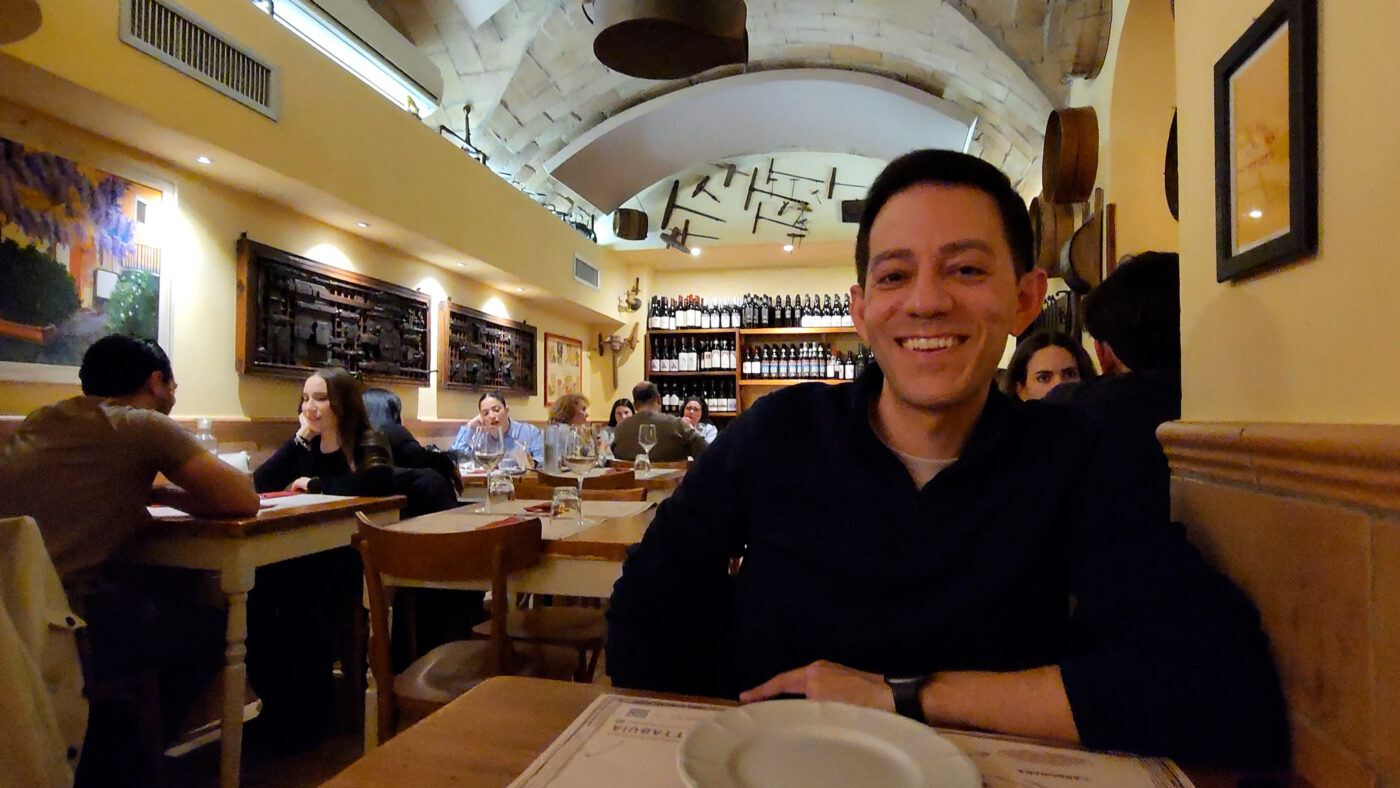
Now for the good stuff. Once you know what to avoid, spotting good restaurants becomes much easier. These green flags tend to show up again and again in places locals actually eat.
Locals Eating There
Hearing Italian spoken around you is a good starting point, but look deeper than just the language.
Are people lingering over their meals? Are tables filled with small groups rather than large tour groups? These details often point to a restaurant that prioritizes the dining experience rather than fast turnover.
Seasonal and Local Dishes
Authentic restaurants cook with what’s in season and adjust their menus based on what’s available locally.
You’ll see menus that change throughout the year and highlight local specialties. For example, artichokes are a seasonal staple in Rome, while dishes like prosciutto and melon typically only appear in summer.
This approach keeps menus smaller, fresher, and more intentional, which usually translates to better food.
Closed Between Lunch and Dinner
Traditional Italian dining still follows a set rhythm and restaurants usually close after lunch and reopen for dinner around 7:30 PM, especially in central and southern Italy.
If a place is open nonstop from lunch through dinner or serving full meals at 5:00 pm, it’s likely catering to tourists rather than local habits. That said, there are restaurants that will open at 6 PM that are good, but in general, the majority of places we recommend open after 7:30 PM.
Handwritten or Blackboard Menus
Handwritten menus are a strong sign the kitchen is cooking based on availability rather than mass-printing the same menu year-round.
It also often means the chef is comfortable making small changes, which is exactly what you want when eating in Italy. We have yet to have a bad meal at a restaurant that has this type of menu and we would always tell you if you see it, go for it!
How to Research Restaurants Like a Local
Once you know what to avoid and what to look for, here’s how to find genuinely good places before you even sit down. A little research goes a long way, and it doesn’t need to be complicated.
Filter Google Reviews by Italian
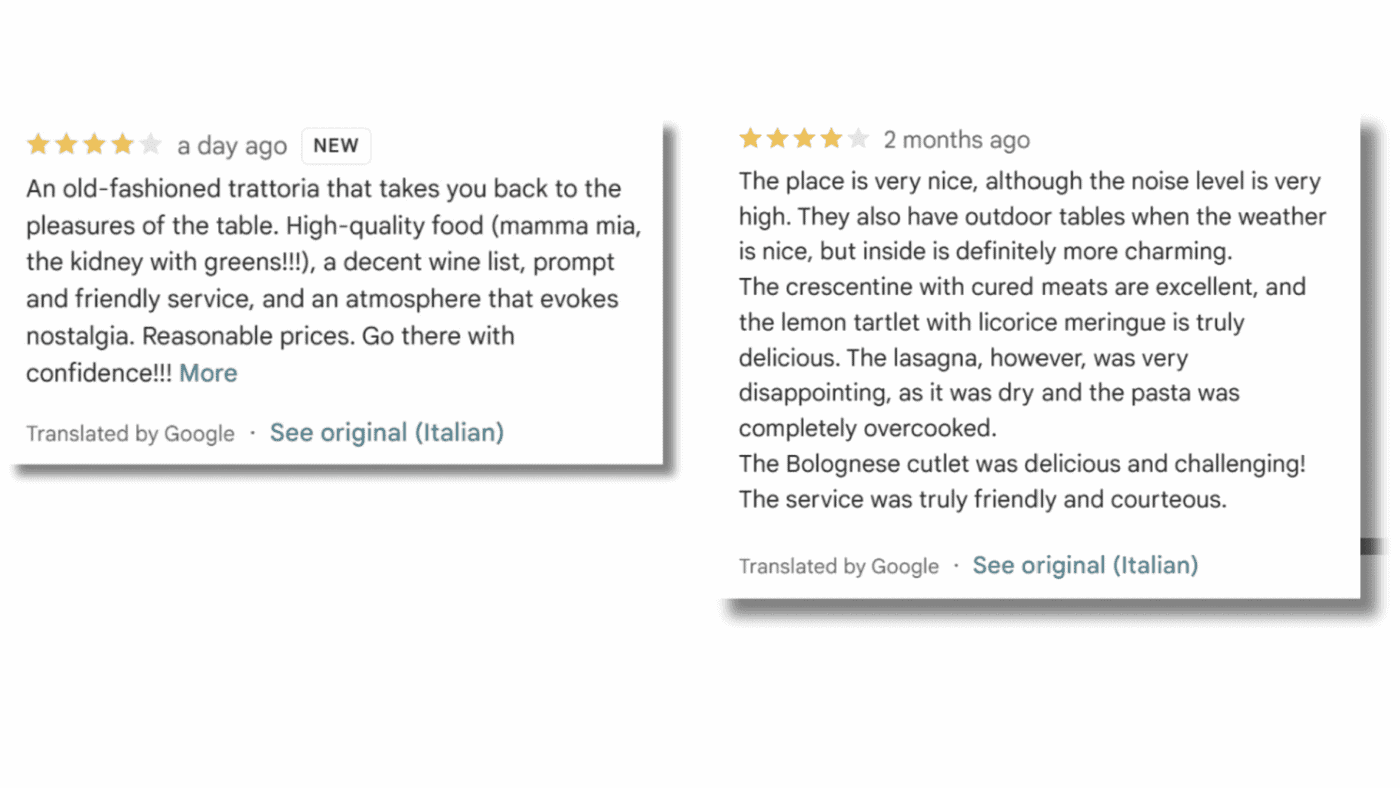
This is one of the best tricks out there. Instead of looking only at star ratings, filter reviews to Italian. Italians can be brutally honest in their food reviews and very specific with what they did or didn’t like, calling out issues like poor ingredient quality, rushed service, or dishes that don’t align with tradition.
Filtering by Italian helps you see what locals actually think instead of what tourists were politely willing to tolerate.
Follow Local Creators, Not Just Viral Accounts
Local food creators and expats, like us, who live in Italy often share places they return to again and again, not just spots that look good on camera. We definitely do for Bologna and love to highlight our favorites.
These recommendations usually lead to more authentic experiences and fewer disappointments.
Step Away from Major Attractions
We learned this from Rick Steves and he was 1000% correct on this. Restaurants directly next to landmarks rely on location rather than the quality of their food.
As a rule, enjoying a drink with a view is great. Eating next to major landmarks usually isn’t.
Walk a few blocks away from the main attractions and you’ll find better food, better prices, and a much more local crowd.
Ask the Right People for Recommendations
Hotel concierges and Airbnb hosts sometimes receive commissions for sending guests to specific restaurants.
Instead of asking where you “should” eat, ask locals where they go. Baristas, shop owners, and tour guides are usually happy to share their favorite spots, especially if you show genuine interest.
Eat Better in Italy Without Overthinking It
Eating well in Italy isn’t about luck or having insider connections. It’s about recognizing patterns, trusting your instincts, and observing your surroundings.
Once you understand how Italians approach food, you’ll start choosing better restaurants naturally, and your meals will become one of the highlights of your trip.
Trust your instincts, walk a little farther than the crowds, and remember that the best meals in Italy often happen when you least expect them.
Avoiding tourist trap restaurants is just one piece of traveling well in Italy. Knowing where to eat, when to eat, how to get around, and what to expect culturally can completely change your experience.
If you want all of this laid out clearly, without fluff, we’ve have several Italy travel guides and practical how-to resources based on actually living here, not just visiting once.