How to Plan a Trip to Italy, A Realistic, First-Timer Friendly Guide
Planning a trip to Italy sounds dreamy in theory. Vineyards, pasta, historic piazzas, spritzes at sunset. Then you sit down to actually plan it and realize… Italy is overwhelming in the best and worst ways.
Planning an Italian itinerary is both exhilarating and exhausting, as you will soon realize there are thousands of options for what to do.
So if you’re asking yourself how do I plan a trip to Italy without losing my mind, you’re in the right place. This guide walks you through how to plan an Italy vacation step by step, based on how we’ve actually done it over multiple trips, from first-timers to slower, deeper travel.
No fluff, no unrealistic packing-every-city-in advice, and yes, we’ll talk about wine.
Short on Time? Here are the key takeaways:
- Choose the vibe before the itinerary. Decide if this trip is about history, food and wine, coastal views, or a relaxed mix, then plan around that feeling.
- Less is more in Italy. For a 10-day trip, stick to 2 or 3 main bases and use day trips instead of constantly changing hotels.
- First timers should start with Rome, Florence, and Venice. This route delivers variety, iconic sights, and easy transportation without overcomplicating things.
- Book major attractions early, then stay flexible. Timed-entry tickets sell out fast, especially in Rome and Florence, so lock in the big sights and leave the rest open.
- Leave white space on purpose. Long lunches, wandering, aperitivo, and slower days are where Italy’s magic actually happens.
Boozing Abroad contains affiliate links throughout the site. If you choose to purchase items through these links, we will earn a small commission at NO extra cost to you. Read the full disclosure policy here**
Step 1: Decide What Kind of Italy Trip You Want

Before you book a single flight, you need to answer one question:
What do you want this trip to feel like?
Italy can be:
- A whirlwind greatest-hits tour
- A slow, food-and-wine-focused escape
- A coastal romance with dramatic views
- A history-heavy deep dive
- Or a mix of all of the above
If this is your first trip to Italy, we strongly recommend starting with the classics.
If this is your second or third trip, that’s where Italy really starts to open up.
Step 1a: How to Plan a Trip to Italy Without Trying to See It All
This is the biggest mistake people make when planning a trip to Italy, especially for the first time.
Italy looks small on a map. It is not small in real life.
Trying to cram Rome, Florence, Venice, the Amalfi Coast, Tuscany, Cinque Terre, and Milan into one trip sounds efficient, but in reality, it turns your vacation into a blur of train stations, packing and unpacking, and speed-walking past places you’ll barely remember.
When planning an Italy vacation, less is more.
Trust us, as Americans who only ever got 10 days of paid vacation, we understand the cost associated with coming to Italy and the pressure to maximize every single moment.
We were fairly lucky that our first trip to Italy happened in our 20s, when we had the stamina to move every other day, sleep on trains, and survive almost entirely on espresso and sheer willpower. And honestly, it worked. We saw a lot.
But there’s a big difference between seeing Italy and experiencing Italy.
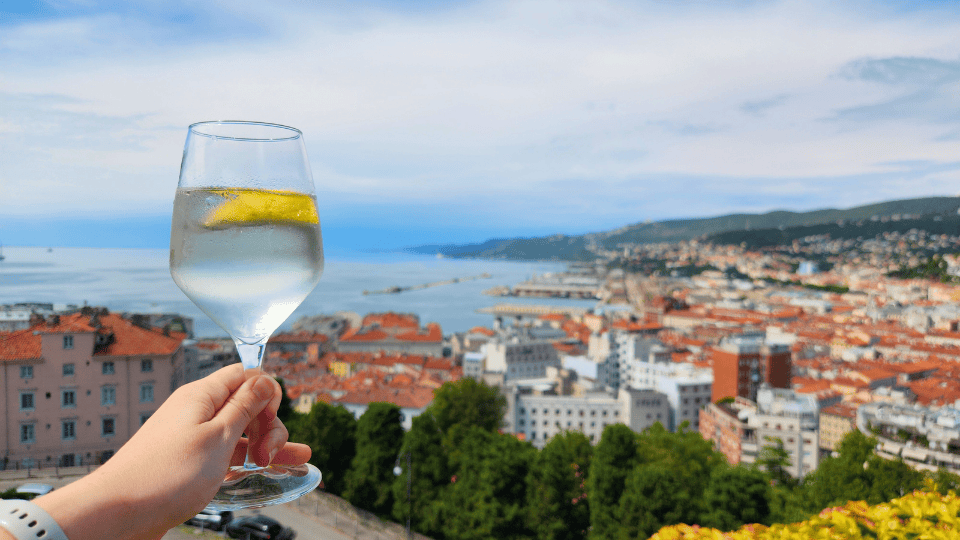
If you are wondering how to plan a trip to Italy without burning out, slowing down is the key. If your goal is to come, check off landmarks, and say you’ve been there, then yes, you can absolutely hit five different spots in ten days. There’s nothing wrong with that approach.
But if you want to understand what actually makes Italy so special – the food, the rhythm, the small moments between attractions – you need to slow down.
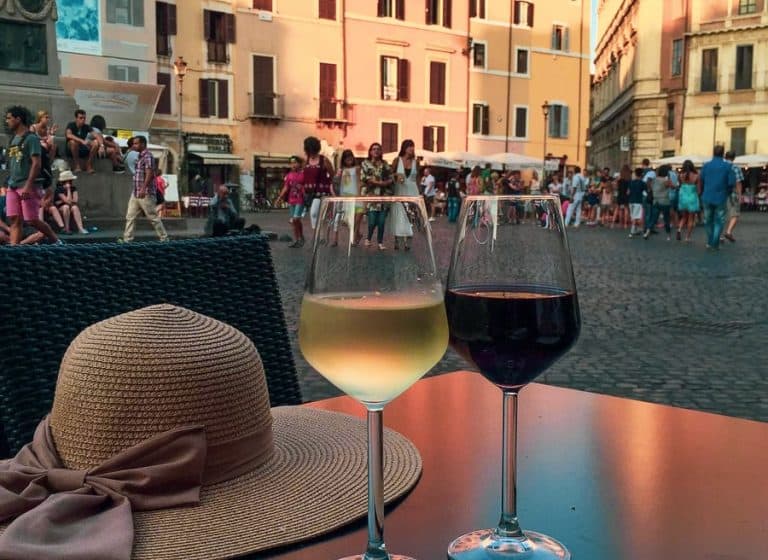
The magic of Italy isn’t found in how many cities you visit. It’s found in lingering a little longer than planned, ordering one more glass of wine, and letting the place reveal itself instead of rushing on to the next stop.
That shift alone can completely change how your trip feels.
We recommend:
- Spending at least 2-3 nights per destination
- Choosing no more than 3 main bases for a 10-day trip
- Using day trips instead of changing hotels constantly
Italy is a country meant to be lingered in. Long meals, late nights, slow mornings, and spontaneous detours are part of the experience. If your itinerary doesn’t leave room for that, it’s probably too packed.
The goal isn’t to check places off a list.
The goal is to actually enjoy where you are.
And the good news? Italy will still be here for your next trip.
Step 1b: Choose the Right Time of Year to Visit Italy
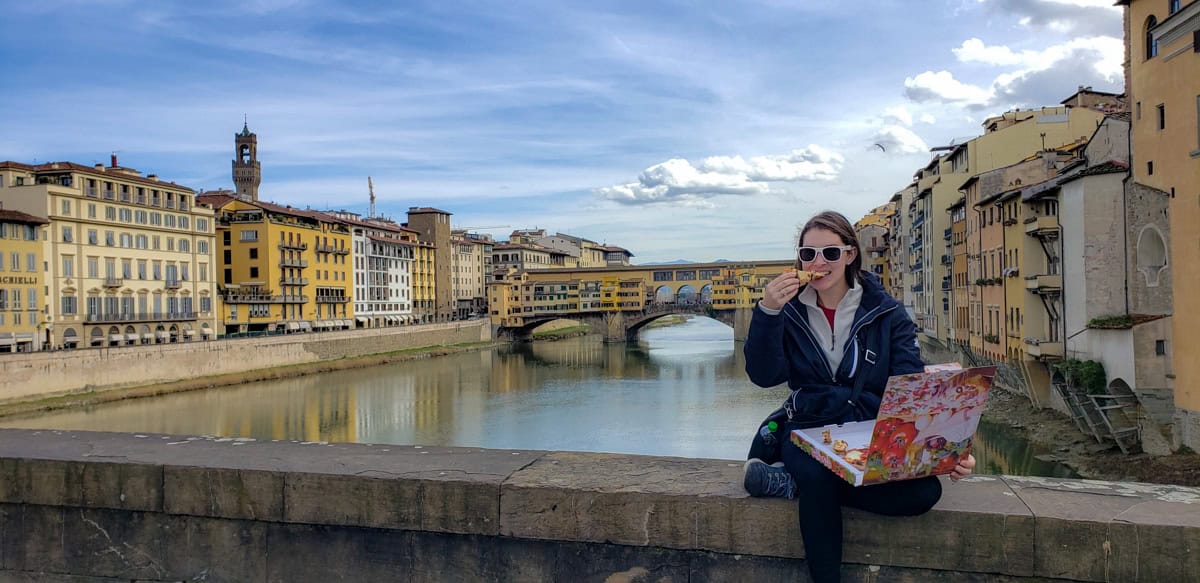
When planning a trip to Italy, when you go can matter just as much as where you go.
Italy is a year-round destination, but the experience changes dramatically depending on the season. Crowds, prices, weather, and even how much energy you’ll have each day all play a role.
Peak Season: Late May Through September
Summer in Italy is beautiful, but it’s also the busiest and most expensive time to visit.
What to expect:
- Large crowds at major attractions
- Higher hotel and flight prices
- Very hot temperatures
- Packed trains and limited last-minute availability
If summer is the only time you can travel, plan accordingly. Book accommodations, trains, and major attractions well in advance, and build in slower days so the heat doesn’t drain all the fun out of your trip.
Shoulder Season: The Sweet Spot
For most travelers, this is our favorite time for planning an Italy vacation.
Best shoulder months:
- April to mid-May
- Late September through October
During these months, you’ll usually find:
- Fewer crowds
- More comfortable temperatures
- Better availability for hotels and attractions
- A more relaxed pace overall
If you want to experience Italy without constantly fighting crowds, shoulder season is hard to beat.
Off-Season: November Through March

Italy doesn’t shut down in the winter, but the experience is different.
Pros:
- Lower prices
- Fewer tourists
- A more local, everyday feel
- Christmas Markets (late November through early January)
Cons:
- Shorter daylight hours
- Some attractions with reduced hours
- Colder, wetter weather in certain regions
Winter can be a great option for cities like Rome and Florence if you don’t mind layering up and adjusting expectations.
A Quick Reality Check for US Travelers
From a US perspective, limited vacation time often dictates travel dates. If that’s the case, don’t stress. Italy is still incredible year-round.
The key is aligning your expectations with the season you’re visiting. When you plan around crowds, weather, and energy levels, your trip will feel intentional instead of overwhelming.
Step 2: First-Time Italy Itinerary, Start With the Big Three
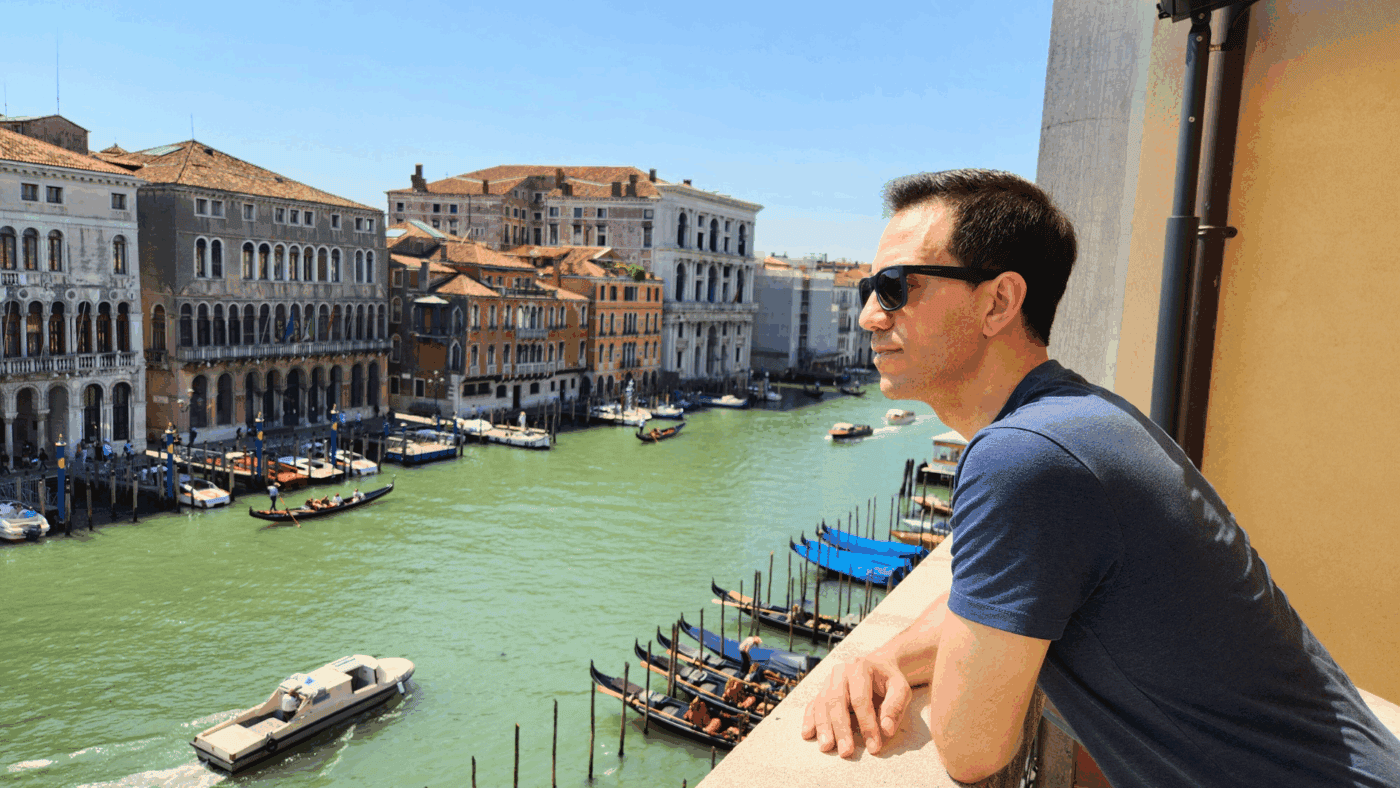
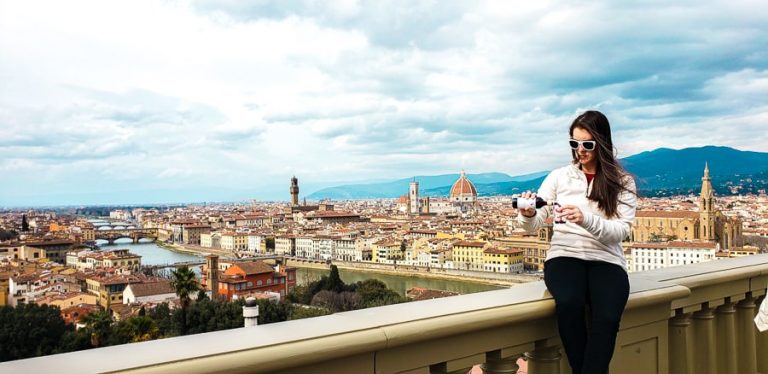
If this is your first trip to Italy, then we suggest starting with the top 3 places to visit: Rome, Florence, and Venice.
These three locations were on our first 10-day trip to Italy and it will give you an impressive snapshot of how beautiful and diverse this country is. Each of these locations in Italy is world-renowned for various reasons.
Here’s why this combo works so well for first-time Italy trip planning:
- Rome delivers history, chaos, food, and culture in one loud, unforgettable package
- Florence balances art, walkability, wine, and day trips into Tuscany
- Venice is unlike anywhere else in the world and worth seeing at least once
This route helps you understand Italy’s rhythm before venturing further. Because all of these cities are major hubs, you have many options for getting between them via train or airplane.
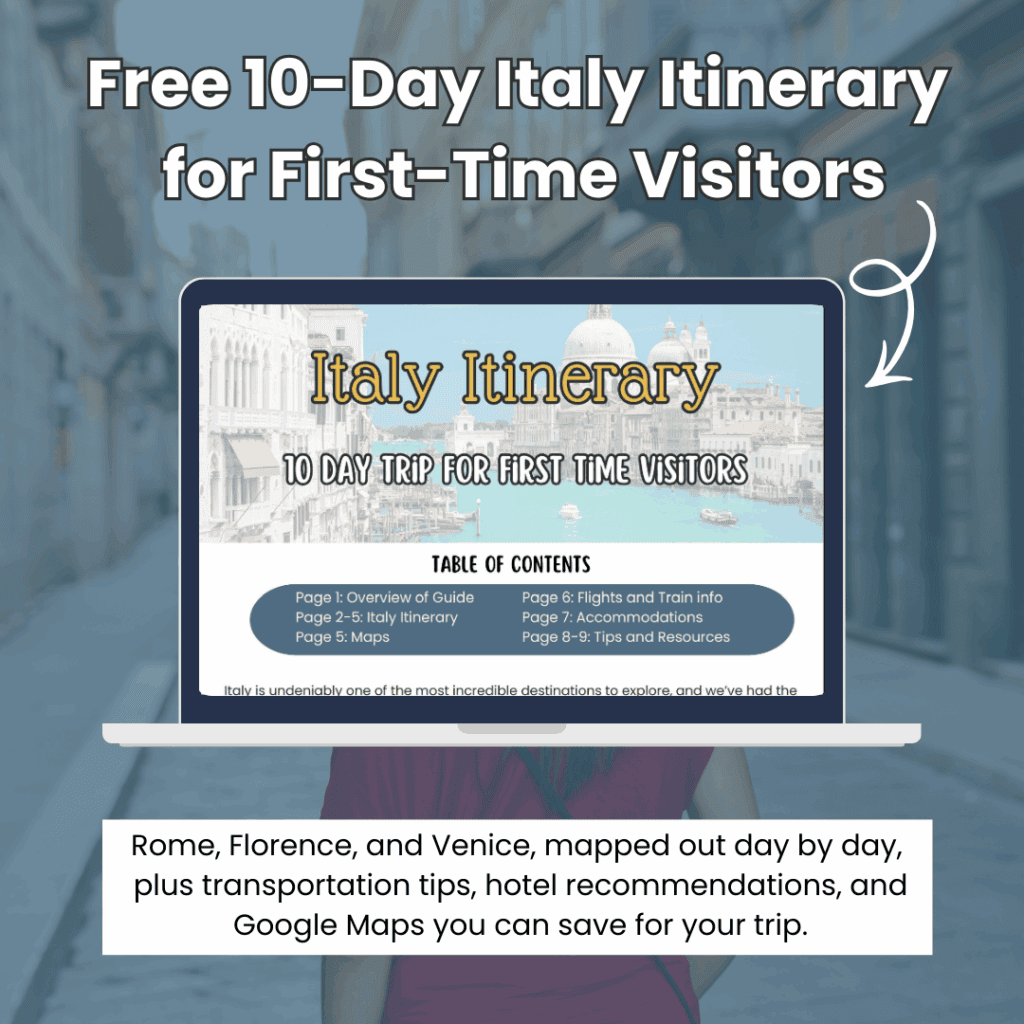
Planning Your First Trip to Italy?
A realistic 10-day plan for first-time visitors, plus maps, hotel tips, and train advice.
Step 3: Plan Around Experiences, Not Just Cities
If you are looking for specific activities on your trip (for example, a sipsy wine day touring the Tuscan countryside or exploring an active volcano in Sicily), then you might want to shift your planning to involve some of those activities.
This is one of the most overlooked steps when planning a trip to Italy.
Instead of asking:
- How many cities can we fit?
Ask:
- Do we want wine regions?
- Coastal views?
- Food-heavy destinations?
- Big historic moments?
- Outdoor adventure?
On our second trip to Italy, we used Rome as a hub (cheaper flights from the U.S.) and explored south to Naples, the lost city of Pompeii, and the Amalfi Coast. This type of 10-day Italian itinerary was a dramatic shift from our first 10 days in Italy.
The western coast of Italy brings an air of drunk romance and awe-inspiring history that we have yet to experience anywhere else in the world (except Paris… maybe).
Same country. Completely different trip.
Plan Major Attractions Ahead (Especially in Major Cities)
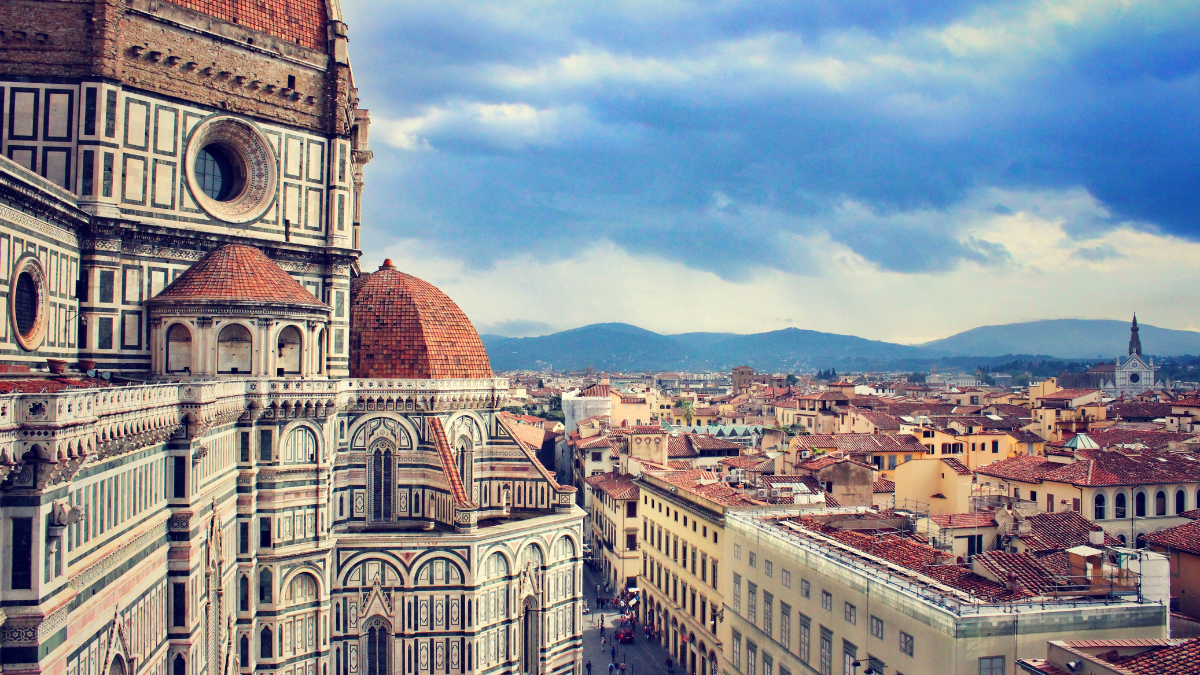
When planning a trip to Italy, this is one step you do not want to leave to chance.
Many of Italy’s most famous attractions, especially in Rome and Florence, now operate on timed-entry ticket systems, and they sell out far earlier than most first-time visitors expect.
In peak tourist months (i.e., summer), you can’t just show up and buy tickets at the door.
Rome: Tickets You Should Book in Advance
Rome is incredible, but it’s also one of the most visited cities in the world with over 17 million visitors annually. Advance planning here can save you hours of waiting.
Popular ticketed attractions include:
- The Colosseum and Roman Forum
- The Vatican Museums and Sistine Chapel
- St. Peter’s Basilica dome climb
These tickets often sell out weeks in advance, especially during peak travel months. Booking ahead lets you lock in your time slot and plan the rest of your day around it, instead of standing in line wondering what went wrong.
Florence: Smaller City, Just as Competitive
Florence may feel more relaxed than Rome, but its most famous attractions are just as competitive.
Key timed-entry attractions include:
- The Uffizi Gallery
- Accademia Gallery (home of Michelangelo’s David)
- The Florence Cathedral dome and bell tower
Because Florence is compact, demand is high and capacity is limited. Booking tickets ahead of time is the difference between a smooth day and rearranging your entire itinerary at the last minute.
How Far in Advance Should You Book?
As a general rule when planning an Italy vacation:
- Book major attractions as soon as your dates are set
- Prioritize ticketed sites early in the day to avoid crowds
- Avoid overbooking yourself with back-to-back timed entries
We usually plan our days around one major attraction, then leave the rest open for wandering, food, and wine. That balance keeps the day enjoyable instead of exhausting.
The Bottom Line
Italy is spontaneous in many ways, but major attractions are not.
Planning ahead for ticketed sites in Rome and Florence doesn’t make your trip rigid. It actually gives you more freedom, because you’re not wasting time in lines or scrambling for alternatives.
Lock in the big stuff early, then let Italy do the rest.
Step 4: Don’t Skip Lesser-Visited Regions
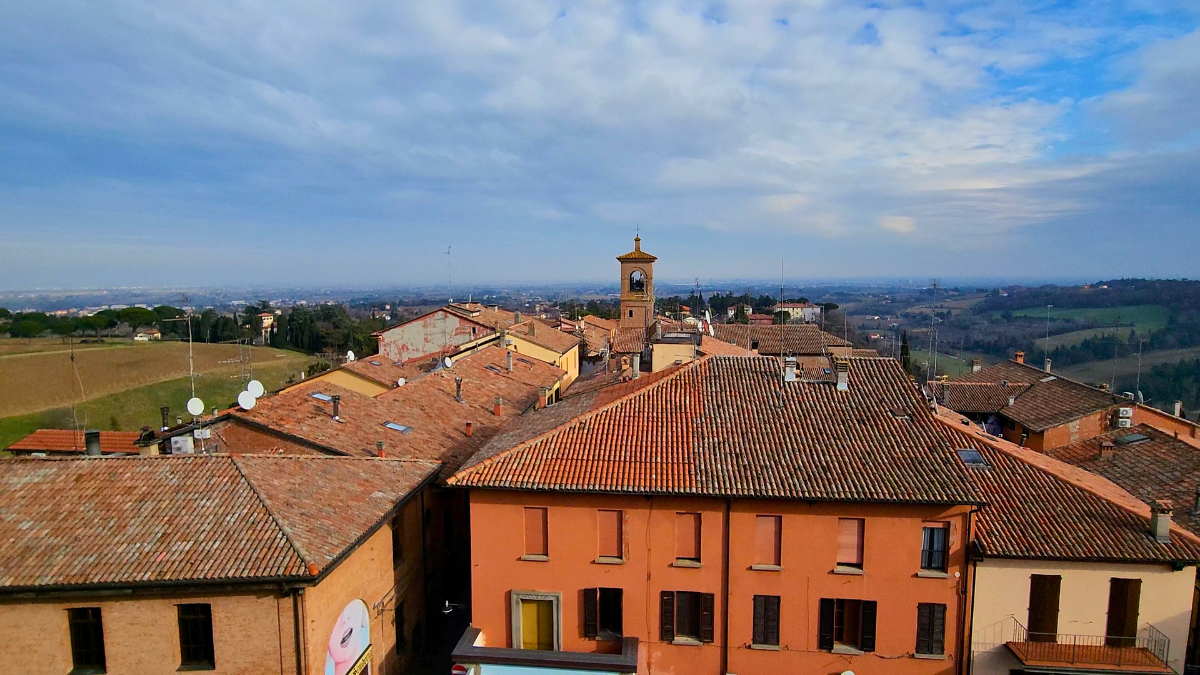
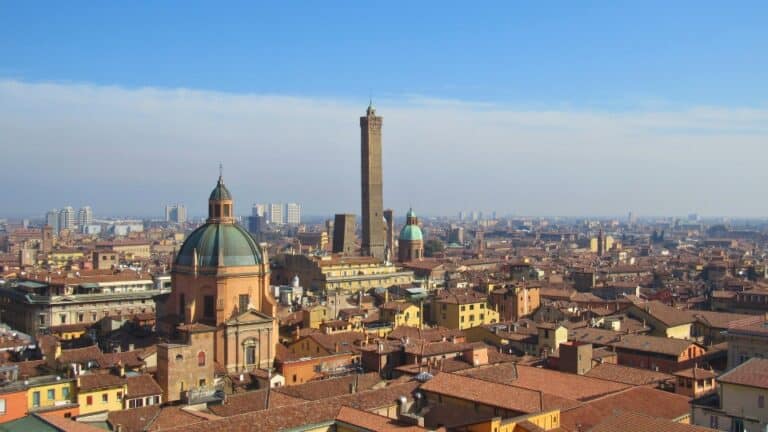
On our third trip back to Italy, we traveled to some lesser-visited regions, such as Emilia-Romagna, specifically Bologna (where we now live) and the island of Sicily.
This type of Italy vacation will really make you feel like a true Italian! Ciao Bella!
Once you move beyond the tourist trail, you’ll find:
- Better value
- Fewer crowds
- Deeper food and wine experiences
- A slower pace that feels more lived-in than rushed
If you’re planning a longer Italy trip or returning for a second visit, this is where Italy shines.
Step 5: Figure Out Transportation Early
When planning a trip to Italy, transportation decisions will shape your entire itinerary. Trains, cars, and flights all work well here, but Italy runs on its own schedule and that’s something Americans especially need to plan for.
In general:
- Trains are the easiest way to move between major cities
- Cars make sense for wine regions and rural areas
- Short domestic flights are usually more hassle than they’re worth
That said, here’s the part most Italy travel guides skip.
Train Strikes and Delays Happen (And They’re Normal)

Train strikes are a real thing in Italy, and yes, they can impact your plans. The good news is that they’re usually announced in advance and still operate limited “guaranteed” service windows.
From our experience, this doesn’t mean your entire trip falls apart, but it does mean you should NOT plan ultra-tight connections or assume every train will run perfectly on time.
A few smart planning tips:
- Avoid booking critical long-distance train travel on your final day
- Leave buffer time between cities, especially early in the trip
- Download the Trenitalia or Italo app so you can check updates in real time
As our general rule of thumb when taking a flight, we are always in the city the day before we need to be. So, if your flight is out of Rome on a Saturday, we are in Rome Friday and will stay the night. We’ve been burned by train delays and strikes so just trust us, be in the city the night before your international flight.
Also of note, train delays are fairly common, even on high-speed trains. They’re usually manageable (less than an hour), but they’re another reason we recommend not packing your itinerary too tightly. We’d say that trains are normally up to 20 minutes delayed, but we’ve been over 2 hours before – luckily, there was a great rooftop bar nearby to pass the time.
If you are nervous about trains, we have a whole guide for you to help: The Ultimate Guide to Train Travel in Italy.
Airport Strikes Are Rare, But They Do Happen
Airport and airline strikes in Italy (and across Europe) are less common, but they can affect flights, especially during busy travel seasons.
From a U.S. traveler’s perspective, this is why we always leave at least one buffer day before flying home! (See previous rant above).
If something does go sideways, having flexibility built into your plan makes a huge difference.
The Big Takeaway
If you build your itinerary with a little breathing room, transportation hiccups become part of the story instead of a trip-ruining disaster.
Plan smart, expect the unexpected, and remember that even when things don’t go perfectly, you’re still in Italy.
Step 6: Leave White Space in Your Itinerary
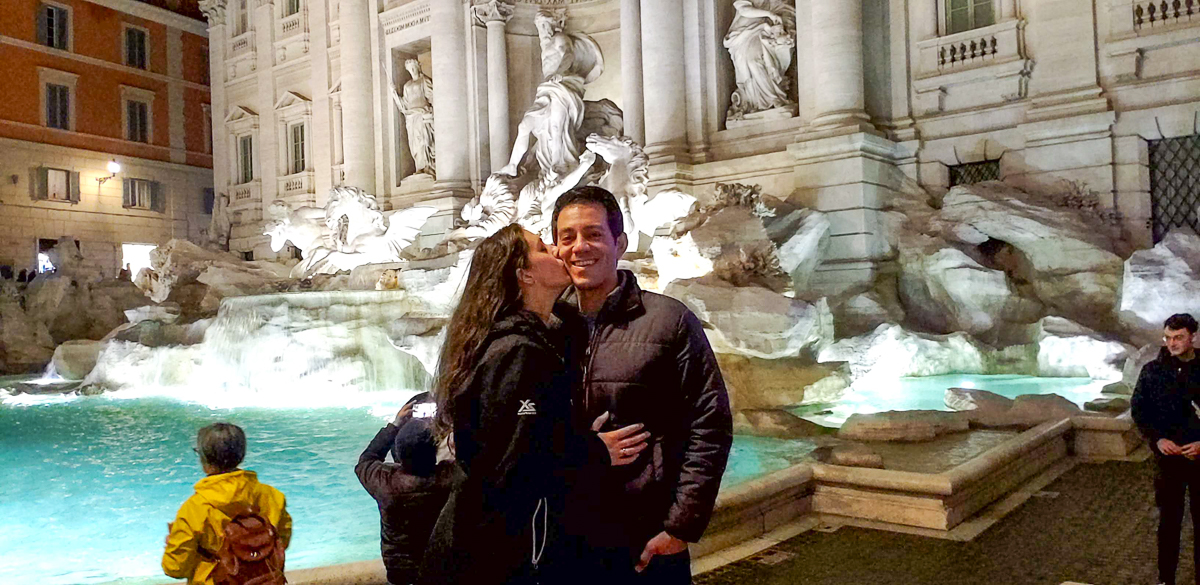
This might be the most important Italy planning tip of all.
Do not plan every hour.
Italy rewards:
- Wandering
- Long lunches
- Aperitivo that turns into dinner
- Conversations you didn’t expect
- That one glass of wine that becomes three
If you’re planning a trip to Italy and your schedule looks like a military operation, it’s time to loosen it up.
Having lived here for over a year, we can confidently say that things don’t always run on schedule in Italy, and learning to go with it is part of the experience.
I wasn’t the most patient person before moving to Italy, but living here has forced me to slow down, and honestly, it’s been a blessing in disguise. When you stop fighting the pace and start leaning into it, travel becomes far more enjoyable.
Slowing down, building in white space, and giving yourself (and others) a little grace is very much the Italian way.
If you plan your itinerary with flexibility instead of rigidity, those small delays and unexpected moments stop feeling like problems and start feeling like part of the story.
Prefer to Watch Instead? Our Italy Planning Videos
If you’d rather see how this all looks in real life, we share our Italy planning process, itineraries, and travel lessons on YouTube.
Our videos walk through:
- What first-time Italy trips actually feel like on the ground
- How we plan realistic itineraries without rushing
- Transportation tips, day trips, and pacing mistakes to avoid
- Food, wine, and local experiences that shaped our travel style
Many of these trips were planned using the same approach outlined in this guide, starting with faster first visits and evolving into slower, more intentional travel.
Watch our Italy travel and planning videos here:
If you’re visual, this is a great companion to the planning steps above and can help you picture how your own trip might come together.
Final Thoughts: There Is No “Perfect” Italy Trip
The best Italy trip is not the one where you see everything. Now that you know how to plan a trip to Italy in a realistic way, the rest is about letting the country surprise you.
It’s the one where you:
- Feel present
- Eat well
- Drink local
- And leave already planning your return
Italy will always leave something unfinished. That’s the magic.
If you want help narrowing down regions, building realistic itineraries, or planning around food and wine experiences, that’s exactly what we do here at Boozing Abroad.
Ready to plan? Start your planning by checking out these itinerary guides below:
- The Best 3 days in Rome Itinerary Guide
- 3 days in Florence: A Complete Guide for First-Timers!
- A Weekend In Venice, Italy
- 2 days in Milan: The Perfect Weekend Itinerary
>> Or check out all our Italy guides – we have a bunch!